
Introduction to Remote Work Opportunities
Remote work has rapidly transformed from a temporary solution into a long-term employment model adopted by companies around the world. Advancements in digital technology, cloud computing, and online collaboration tools have made it possible for professionals to work efficiently from virtually any location. In recent years, especially after the global pandemic, organizations across multiple industries have recognized the value and practicality of remote employment.
Today, remote work opportunities are available in fields such as technology, healthcare, customer support, education, finance, marketing, and administration. Businesses are increasingly offering flexible work arrangements to attract skilled professionals, reduce operational costs, and improve employee satisfaction. This shift has created a more inclusive workforce where individuals are no longer limited by geographic boundaries when searching for career opportunities.
For employees, remote work offers greater flexibility and independence. Many professionals appreciate the ability to manage their schedules, reduce commuting time, and create a healthier balance between personal and professional responsibilities. Additionally, remote jobs have opened doors for people living in rural areas, caregivers, and individuals seeking more adaptable working conditions.
As remote work continues to evolve, it is reshaping the future of employment and changing how companies recruit and manage talent worldwide.
Most Popular Remote Job Roles
Remote work opportunities now exist in almost every major industry. Some positions are particularly well-suited for online work because they rely heavily on digital communication and technology.
Technology and Software Development
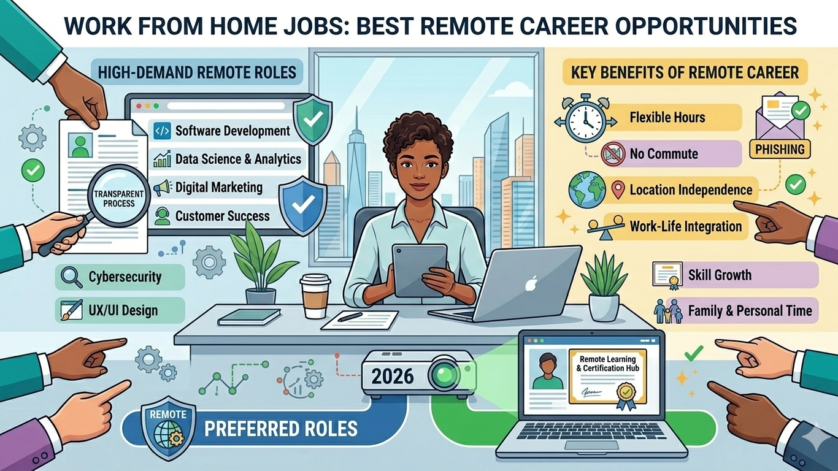
The technology sector remains one of the largest sources of remote employment. Roles such as software developers, web designers, app developers, cybersecurity specialists, and data analysts can easily be performed remotely. Companies often hire remote tech professionals because digital collaboration tools make project management seamless and efficient.
Customer Service and Virtual Support
Customer support jobs have become increasingly remote-friendly. Businesses hire virtual customer service representatives to answer customer inquiries, resolve issues, and provide technical assistance through phone, email, or live chat systems. These positions often offer flexible schedules and entry-level opportunities.
Digital Marketing and Content Creation
Marketing professionals can work remotely while managing online advertising campaigns, social media accounts, SEO strategies, and content development. Freelance writers, graphic designers, video editors, and social media managers are also in high demand as businesses continue expanding their online presence.
Healthcare and Telemedicine
The healthcare industry has also embraced remote work through telemedicine and online patient support services. Remote nurses, medical coders, transcriptionists, healthcare consultants, and virtual therapists are becoming increasingly common as digital healthcare solutions grow.
Education and Online Teaching
Online education has created numerous opportunities for teachers, tutors, trainers, and instructional designers. Educational institutions and e-learning platforms regularly hire remote educators to teach students across different countries and time zones.
Essential Skills for Remote Work Success
Working remotely requires a combination of technical abilities and strong personal skills. Employers seek candidates who can remain productive and communicate effectively without direct supervision.
Technical Skills
Remote professionals should be comfortable using digital tools such as video conferencing software, cloud storage systems, project management platforms, and communication applications. Depending on the role, additional technical skills like coding, graphic design, data analysis, or digital marketing may also be required.
Communication Skills
Clear communication is critical in remote environments. Employees must know how to write professional emails, participate in virtual meetings, and collaborate with teams online. Good listening skills and the ability to communicate ideas effectively help prevent misunderstandings and improve teamwork.
Time Management and Discipline
Remote workers often manage their schedules independently. Strong organizational skills, task prioritization, and self-discipline are essential for meeting deadlines and maintaining productivity.
Adaptability and Problem-Solving
Remote work environments can change quickly, requiring employees to adapt to new technologies and workflows. Employers value individuals who can solve problems independently and remain flexible during unexpected challenges.
Benefits of Working Remotely
Remote work offers several advantages for both employees and employers.
One of the biggest benefits is flexibility. Employees can often create schedules that suit their lifestyles, helping them maintain a healthier work-life balance. Reduced commuting time also allows professionals to spend more time with family, focus on hobbies, or improve their overall well-being.
Many remote workers report increased productivity because they can work in comfortable environments with fewer workplace distractions. Businesses also benefit by reducing office-related expenses such as rent, utilities, and maintenance costs.
Another major advantage is access to global opportunities. Professionals are no longer restricted to jobs within their local area and can apply for positions with companies based anywhere in the world.
Challenges of Remote Work
Although remote work provides many benefits, it also presents several challenges that employees and organizations must address.
Isolation and Lack of Social Interaction
Working from home can sometimes feel lonely, especially for individuals who enjoy social interaction in traditional office settings. Limited face-to-face communication may affect motivation and team connection.
Communication Difficulties
Remote communication relies heavily on technology, which can occasionally lead to misunderstandings or delays. Poor internet connections and time zone differences may also create collaboration challenges.
Work-Life Balance Issues
Without clear boundaries, some remote employees struggle to separate work from personal life. This can result in longer working hours and increased stress. Creating a dedicated workspace and following a structured routine can help maintain balance.
Industries Rapidly Adopting Remote Work
Several industries are leading the transition toward remote employment.
The technology industry continues to dominate remote hiring due to the digital nature of its work. Marketing and media companies also rely heavily on remote professionals to manage online campaigns and content production.
Healthcare organizations increasingly use remote services for consultations, medical support, and administrative tasks. Meanwhile, the education sector has expanded online learning opportunities, creating demand for remote teachers and trainers.
Finance, consulting, human resources, and customer support industries have also significantly increased remote hiring practices over the last few years.
How to Find Legitimate Work-from-Home Jobs
Finding genuine remote job opportunities requires careful research and awareness.
Job seekers should use trusted websites and specialized remote job platforms such as LinkedIn, Remote.co, We Work Remotely, and FlexJobs. Researching companies before applying is essential to avoid scams and fake listings.
Applicants should carefully review job descriptions, verify company websites, and avoid opportunities that request upfront payments or sensitive financial information. Legitimate employers provide clear details about responsibilities, salary structures, and communication methods.
Networking can also help individuals discover hidden remote opportunities. Connecting with professionals on LinkedIn or participating in online industry communities can provide valuable job leads and career advice.
Networking and Building Online Communities
Networking remains important even in remote work environments. Professional relationships can lead to job opportunities, mentorship, and career growth.
Online communities, webinars, virtual conferences, and social media platforms allow remote workers to connect with others in their field. Joining industry-specific groups helps professionals stay informed about trends, share experiences, and expand their professional network.
Building strong online connections can also reduce feelings of isolation and create valuable long-term career opportunities.
The Future of Remote Work
Remote work is expected to remain a major part of the global workforce in the coming years. Many organizations are adopting hybrid models that combine remote and office-based work, giving employees greater flexibility while maintaining team collaboration.
Advancements in communication technology, cloud systems, and artificial intelligence will continue improving remote work efficiency. Companies are also investing more in digital infrastructure and employee wellness programs to support remote teams.
As businesses and employees adapt to these changes, remote work will likely become a standard employment option across numerous industries. Professionals who develop strong digital skills, communication abilities, and adaptability will be better positioned to succeed in this evolving work environment.
Conclusion
Remote work opportunities have transformed the modern job market, offering flexibility, global access, and improved work-life balance for millions of professionals. Industries such as technology, healthcare, education, marketing, and customer service continue to expand their remote hiring practices.
While remote work comes with challenges such as isolation and communication barriers, the benefits often outweigh the difficulties for both employees and employers. By developing the right skills, using trusted job platforms, and building strong professional networks, job seekers can successfully navigate the growing world of remote employment.
As the future of work continues evolving, remote careers are expected to play an increasingly important role in shaping the global workforce.