
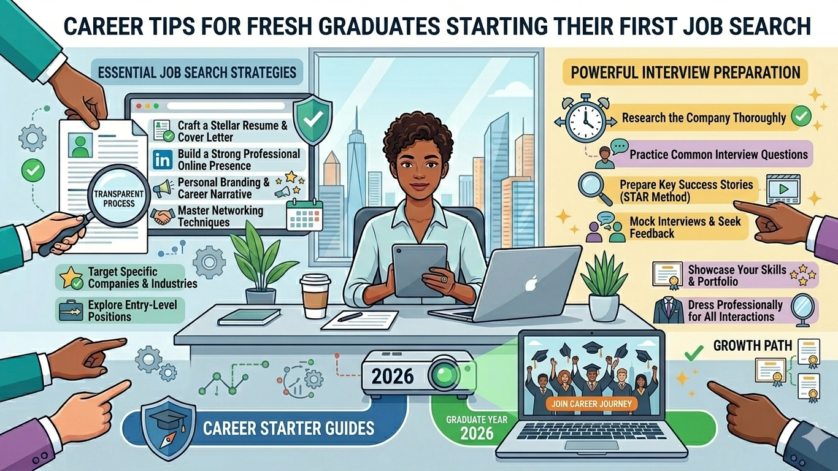
Introduction: Moving from Student Life to Professional Careers
Graduating from college or university is an exciting milestone, but stepping into the professional world can also feel overwhelming. Many fresh graduates experience uncertainty as they transition from academic environments to competitive workplaces. While education provides important theoretical knowledge, entering the job market requires additional practical skills, confidence, and adaptability.
One of the biggest challenges new graduates face is understanding how to present their academic background as valuable professional experience. Employers often look for candidates who can demonstrate communication abilities, teamwork, leadership potential, and problem-solving skills. As a result, graduates must learn how to connect their educational achievements with real workplace expectations.
Another common obstacle is the highly competitive nature of modern job markets. Entry-level positions often attract large numbers of applicants, making it essential for graduates to stand out. Proper preparation, networking, and continuous skill development can significantly improve the chances of securing employment.
Although the transition from student life to professional work may seem difficult at first, it also provides opportunities for growth, learning, and career development. With the right strategies and mindset, fresh graduates can successfully navigate the early stages of their careers.
Creating a Strong and Professional Resume
A well-crafted resume is one of the most important tools for job seekers. Since it often creates the first impression for employers, graduates should focus on building a resume that is clear, professional, and tailored to each job application.
Organize Information Clearly
The resume should include essential sections such as contact information, career objectives, education, skills, internships, projects, and achievements. Using a clean layout with easy-to-read formatting improves readability and professionalism.
Customize the Resume for Every Job
Fresh graduates should avoid sending the same resume for every application. Instead, they should modify their resume to match the specific requirements of each position. Using relevant keywords from the job description can also improve visibility in applicant tracking systems used by employers.
Highlight Academic Projects and Internships
Even without extensive work experience, graduates can strengthen their resumes by including internships, research projects, volunteer work, presentations, and extracurricular activities. These experiences demonstrate initiative, teamwork, and practical learning abilities.
Avoid Common Resume Mistakes
Spelling errors, excessive information, poor formatting, and generic statements can reduce the effectiveness of a resume. Keeping the content concise and focused helps employers quickly understand the candidate’s strengths and qualifications.
Preparing Effectively for Job Interviews
Interview preparation is essential for fresh graduates seeking to make a positive impression on employers. Confidence and preparation often determine how successfully candidates communicate their abilities during interviews.
Research the Company
Before attending an interview, graduates should thoroughly research the company’s background, values, products, and services. Understanding the organization demonstrates genuine interest and helps candidates answer questions more effectively.
Understand the Job Role
Reading the job description carefully allows applicants to identify the skills and qualifications employers are seeking. Candidates can then prepare examples that showcase their abilities and suitability for the position.
Practice Common Interview Questions
Many interviews include questions about strengths, weaknesses, teamwork, problem-solving, and career goals. Practicing responses in advance helps improve confidence and communication skills.
Focus on Professional Presentation
Dressing professionally, maintaining eye contact, and using positive body language contribute to a strong first impression. Employers often evaluate professionalism and attitude alongside technical skills.
Building Professional Networks
Networking plays a major role in career development and job searching. Building relationships with professionals can help graduates discover opportunities, gain career advice, and learn about industry trends.
Use Professional Networking Platforms
Websites like LinkedIn allow graduates to connect with recruiters, employers, alumni, and professionals in their field. Maintaining an updated profile and engaging with industry content can increase visibility and create networking opportunities.
Attend Career Events and Workshops
Career fairs, seminars, workshops, and industry events provide valuable opportunities to meet professionals and expand connections. These interactions can sometimes lead to referrals or interview opportunities.
Seek Informational Interviews
Speaking with professionals already working in a desired field can provide valuable insights into career paths, required skills, and workplace expectations. Informational interviews also help graduates build confidence and establish professional relationships.
Effective Job Search Strategies for Beginners
Fresh graduates should adopt organized and strategic approaches when searching for jobs.
Use Trusted Job Platforms
Reliable websites such as LinkedIn, Indeed, Glassdoor, and company career pages regularly post entry-level opportunities. Graduates should create professional profiles and apply consistently to suitable positions.
Set Up Job Alerts
Job alerts help candidates stay informed about new opportunities that match their interests and qualifications. This allows graduates to apply quickly before positions become highly competitive.
Stay Organized
Keeping track of applications, interview schedules, and follow-up emails helps maintain professionalism and reduces confusion during the job search process.
Apply Consistently
Job searching requires patience and persistence. Graduates should continue applying even if they face rejections, as finding the right opportunity often takes time.
The Value of Internships and Volunteer Experience
Internships and volunteer work can significantly strengthen a graduate’s professional profile. These experiences provide practical exposure to workplace environments and help individuals develop industry-specific skills.
Internships allow students and graduates to gain hands-on experience while building professional networks. Volunteer positions, although unpaid in many cases, also demonstrate initiative, leadership, and commitment to personal development.
Graduates should highlight these experiences on resumes and discuss them confidently during interviews. Employers often value practical experience and transferable skills, even if they were gained outside traditional employment settings.
Maintaining Confidence During the Job Search
The job search process can sometimes feel stressful and emotionally challenging, especially for fresh graduates facing repeated rejections or uncertainty.
Handle Rejections Positively
Rejection is a normal part of career development and should not discourage candidates from continuing their efforts. Each interview and application provides valuable learning experiences that can improve future performance.
Set Realistic Goals
Creating small daily or weekly goals can help graduates remain motivated. Examples include applying for a certain number of jobs, improving LinkedIn profiles, or attending networking events.
Build a Support System
Family, friends, mentors, and career counselors can provide encouragement and practical guidance during difficult moments in the job search process.
Workplace Skills Every Graduate Should Develop
Employers value more than just academic qualifications. Fresh graduates should focus on developing professional skills that improve workplace performance.
Communication Skills
Strong communication abilities are essential in almost every profession. Graduates should practice both written and verbal communication to interact effectively with colleagues and clients.
Teamwork and Collaboration
Most workplaces involve group projects and collaboration. Employers seek candidates who can work respectfully and productively with others.
Time Management
Managing deadlines, organizing tasks, and maintaining productivity are important professional skills. Good time management helps employees perform efficiently and reduce workplace stress.
Adaptability and Professionalism
Modern workplaces change rapidly, requiring employees to adapt to new technologies, responsibilities, and work environments. Maintaining professionalism and a positive attitude is equally important for long-term career success.
Embracing the Journey Ahead
Starting a professional career is an important and life-changing experience for fresh graduates. While the job market may present challenges, it also offers valuable opportunities for growth, learning, and personal development.
Success does not always happen immediately, and setbacks are part of the process. Graduates who remain patient, proactive, and committed to improving their skills will eventually discover opportunities that align with their goals and interests.
By building strong resumes, preparing for interviews, networking effectively, and maintaining a positive mindset, fresh graduates can confidently navigate the transition from education to professional life.
Conclusion
Entering the job market as a fresh graduate can feel intimidating, but preparation and persistence make a significant difference. Developing practical skills, building professional relationships, and staying motivated are essential steps toward career success.
Every application, interview, and networking conversation contributes to valuable experience and growth. Graduates who approach their career journey with determination and adaptability will be better equipped to overcome challenges and achieve long-term professional success.
The transition from student life to the workplace is not simply about finding a job — it is the beginning of a lifelong learning journey filled with opportunities for advancement and achievement.