
Mastering Communication Skills for Professional Success
Introduction to Communication Skills
Effective communication skills are paramount in the professional landscape, playing a crucial role in determining an individual’s success within various organizational settings. Both verbal and written communication are essential competencies that influence how messages are conveyed and understood amongst colleagues, clients, and management. The ability to articulate thoughts clearly and concisely enhances collaboration and helps prevent misunderstandings that can lead to conflicts.
In today’s fast-paced world, strong communication skills are more valuable than ever. Proficient communicators have the capability to engage in productive dialogue, enabling them to build stronger relationships and foster teamwork. Whether through presentations, team meetings, or written reports, the clarity and effectiveness of communication can significantly influence workplace dynamics. Furthermore, individuals who master these skills often find themselves better positioned for career advancement, as they are seen as capable leaders and collaborators.
Written communication also holds considerable weight in the professional arena. Crafting well-structured emails, reports, or proposals can greatly impact how colleagues and superiors perceive one’s professionalism and analytical abilities. It is essential to convey ideas effectively in writing, especially as digital communication channels become increasingly prevalent.
Moreover, in a diverse workplace, the ability to communicate across cultural boundaries becomes remarkably significant. Understanding the nuances of different communication styles can enhance collaboration and promote an inclusive environment. Developing both verbal and written skills leads to a more cohesive workplace, empowering individuals to contribute their best work and achieve collective goals.
The Importance of Verbal Communication in the Workplace
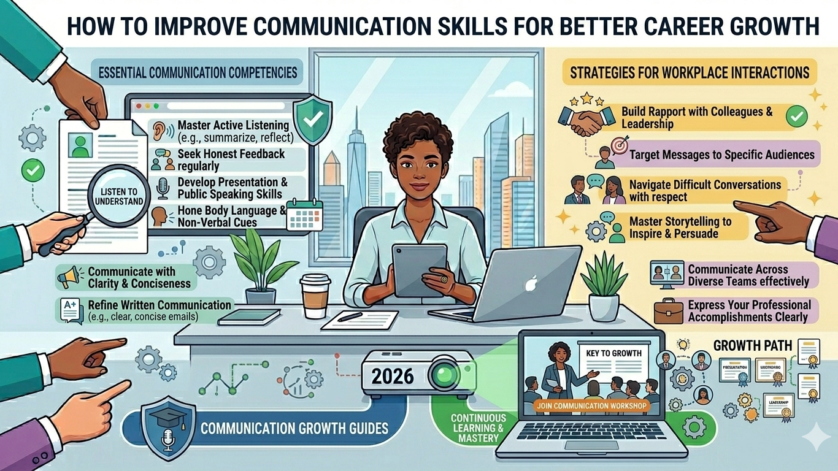
Verbal communication is a cornerstone of effective interaction within the workplace. Clear speech, active listening, and effective body language play vital roles in fostering interpersonal relationships among colleagues, enhancing collaboration, and ultimately driving organizational success. When professionals communicate verbally, they not only convey information but also express emotions and intentions, which can significantly impact the work environment.
One of the primary advantages of proficient verbal communication is the ability to articulate ideas clearly. When employees are able to express their thoughts and instructions with clarity, misunderstandings are minimized, which is crucial for teamwork and project execution. Furthermore, active listening is equally important as it ensures that participants in a conversation feel valued and understood. A workplace culture that promotes listening fosters an inclusive environment where diverse perspectives can thrive.
Body language complements verbal communication by providing non-verbal cues that can reinforce or contradict spoken messages. For instance, maintaining eye contact demonstrates engagement, while open body posture fosters trust and approachability. Understanding the nuances of body language can enhance interactions significantly, allowing employees to respond appropriately to unspoken signals.
To improve verbal communication skills, professionals can practice speaking confidently, engaging in discussions regularly, and participating in public speaking opportunities. Training sessions and workshops can also help employees develop better communication habits and improve overall workplace interactions.
Enhancing Written Communication Skills
Effective written communication is a cornerstone of professional success, playing a vital role in conveying ideas and information clearly. To enhance written skills, focusing on clarity, conciseness, and proper grammar is essential.
Clarity in writing ensures that readers can easily interpret the message. Using straightforward language, avoiding unnecessary jargon, and structuring information logically can improve readability. Headings, bullet points, and short paragraphs also make content easier to understand.
Conciseness is equally important in professional writing. Whether drafting emails, reports, or proposals, professionals should aim to communicate ideas in as few words as possible without sacrificing meaning. Eliminating repetitive phrases and filler words can significantly strengthen written communication.
Proper grammar and punctuation enhance professionalism and credibility. Errors in spelling or sentence structure can create misunderstandings and negatively affect how a message is perceived. Proofreading documents carefully and using grammar-checking tools can help maintain high-quality communication.
Professional emails should include clear subject lines, polite greetings, concise body text, and actionable conclusions. Reports and presentations should follow organized structures that guide readers logically through the content.
Effective Workplace Communication Tips
Effective communication contributes to stronger teamwork, improved productivity, and a healthier workplace environment. One essential strategy is fostering open dialogue among employees. Encouraging individuals to express their thoughts and opinions builds trust and promotes collaboration.
Providing and receiving constructive feedback is another important aspect of workplace communication. Feedback helps employees improve performance while strengthening professional relationships. Managers and team leaders should create environments where feedback is welcomed and appreciated.
Modern communication tools such as video conferencing platforms, project management software, and instant messaging applications also support efficient workplace interactions. Using these tools appropriately helps teams stay connected, especially in remote or hybrid work environments.
Additionally, professionals should adapt their communication styles depending on the audience. Some situations require formal communication, while others benefit from a more conversational tone. Understanding the preferences and expectations of colleagues and clients can improve communication effectiveness significantly.
Building Confidence in Communication
Confidence is a key factor in successful communication. Individuals who communicate confidently are often perceived as more competent, trustworthy, and professional. Building confidence begins with preparation and practice.
Preparing thoroughly before meetings, interviews, or presentations helps reduce anxiety and improves clarity. Public speaking practice can also strengthen communication confidence over time. Joining speaking clubs or participating in workplace presentations can provide valuable experience.
Managing nervousness is equally important. Techniques such as deep breathing, positive visualization, and maintaining a calm mindset can help individuals feel more comfortable during conversations or presentations.
Accepting mistakes as part of the learning process is another critical aspect of building confidence. Every communication experience provides an opportunity for improvement and growth.
Common Communication Mistakes to Avoid
Several common mistakes can weaken communication effectiveness in professional settings. One frequent issue is using overly complex language or excessive jargon, which may confuse the audience instead of informing them.
Another major mistake is poor listening habits. Effective communication involves listening carefully and responding thoughtfully rather than simply waiting for an opportunity to speak.
In written communication, disorganized content can make messages difficult to follow. Professionals should structure their writing clearly and maintain logical flow throughout documents and emails.
Tone is another factor that should not be overlooked. Messages that appear overly aggressive, sarcastic, or unclear can damage professional relationships. Maintaining a respectful and professional tone helps foster positive interactions.
The Role of Non-Verbal Communication
Non-verbal communication significantly influences how messages are interpreted in professional environments. Body language, facial expressions, posture, gestures, and eye contact all contribute to effective communication.
Positive body language can enhance trust and engagement. For example, maintaining eye contact demonstrates attentiveness and confidence, while smiling creates a welcoming atmosphere. Conversely, crossed arms or lack of eye contact may signal discomfort or disinterest.
Professionals who understand and utilize non-verbal communication effectively can improve workplace interactions and strengthen professional relationships.
Using Feedback for Continuous Improvement
Feedback serves as a powerful tool for improving communication skills. Seeking constructive feedback from colleagues, supervisors, or mentors can help individuals identify areas for growth and refine their communication styles.
Creating an environment where open communication and honest feedback are encouraged contributes to continuous professional development. Receiving feedback with a positive mindset and applying suggestions thoughtfully can lead to significant improvements over time.
Self-reflection is also important. Reviewing past communication experiences and identifying successful strategies can help individuals become more effective communicators.
Conclusion and Practical Steps for Improvement
Communication skills are essential for professional success in every industry. Strong verbal and written communication abilities enhance teamwork, leadership, productivity, and career advancement opportunities.
Improving communication requires continuous effort and practice. Professionals can strengthen their skills by engaging in conversations regularly, participating in training programs, practicing active listening, and seeking constructive feedback.
By focusing on clarity, confidence, professionalism, and adaptability, individuals can become more effective communicators and build stronger professional relationships. In today’s competitive workplace, mastering communication skills is not just beneficial—it is essential for long-term success.