
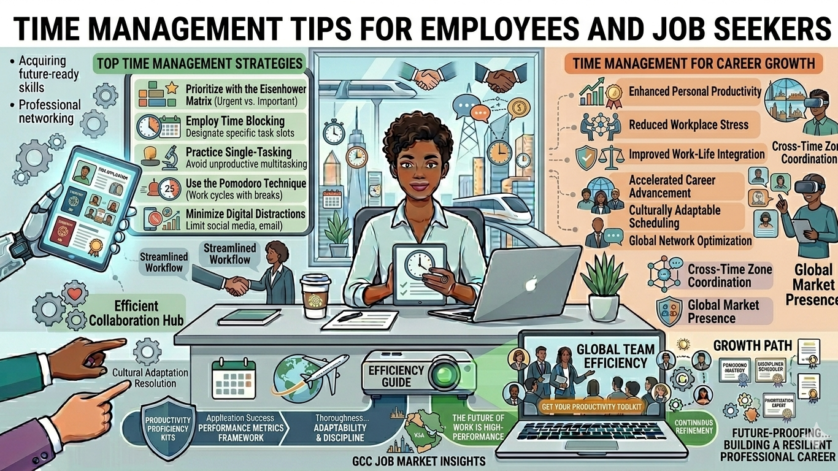
Introduction: The Importance of Productivity and Time Management
In today’s fast-paced professional world, productivity and time management have become essential skills for achieving success. Productivity refers to the ability to complete tasks efficiently and effectively, while time management involves planning and organizing how time is spent on different activities. Together, these skills help professionals meet deadlines, accomplish goals, and maintain a healthy work-life balance.
Many professionals struggle with managing their time due to heavy workloads, workplace distractions, and increasing responsibilities. Poor time management can lead to stress, missed deadlines, and reduced job performance. On the other hand, effective time management allows individuals to stay organized, reduce pressure, and improve overall efficiency.
Productivity is not only important for completing tasks but also for career growth and job satisfaction. Employees who consistently manage their time well are often viewed as reliable, organized, and capable of handling responsibilities effectively. As a result, they may receive greater opportunities for advancement and professional development.
Understanding and applying productivity techniques can help professionals improve their focus, manage their workload, and achieve better results in both their personal and professional lives.
Understanding Time Management
Time management is the process of planning and controlling how much time is spent on specific tasks and activities. Effective time management helps individuals work smarter rather than harder, enabling them to accomplish more within limited timeframes.
One common challenge professionals face is procrastination. Delaying important tasks often leads to increased stress and reduced productivity. Factors such as fear of failure, lack of motivation, or feeling overwhelmed can contribute to poor time management habits. Recognizing these challenges is the first step toward overcoming them.
Several time management techniques can help professionals organize their work more effectively:
The Eisenhower Matrix
The Eisenhower Matrix helps individuals prioritize tasks based on urgency and importance. Tasks are divided into four categories:
- Urgent and important
- Important but not urgent
- Urent but not important
- Neither urgent nor important
This method encourages professionals to focus on meaningful tasks while minimizing time spent on less valuable activities.
The Pomodoro Technique
The Pomodoro Technique involves working in focused intervals, usually 25 minutes, followed by short breaks. This approach improves concentration, reduces mental fatigue, and helps maintain productivity throughout the day.
Time Blocking
Time blocking involves scheduling specific periods for different tasks or activities. By assigning dedicated time slots to important responsibilities, professionals can avoid distractions and stay focused on completing their work.
By understanding these techniques, individuals can better manage their time and create a structured approach to their daily responsibilities.
Effective Planning Methods
Planning is one of the most important aspects of productivity. A clear plan helps professionals stay organized, prioritize responsibilities, and reduce unnecessary stress.
Creating Daily To-Do Lists
A daily to-do list provides a visual overview of tasks that need to be completed. Organizing tasks by priority ensures that the most important responsibilities are handled first.
Setting Priorities
Not all tasks carry the same level of importance. Professionals should identify high-priority tasks that contribute directly to their goals and focus their energy on completing them efficiently.
Using Digital Tools
Modern technology offers various tools that support productivity and planning. Applications such as Trello, Asana, Microsoft To Do, and Google Calendar help individuals organize tasks, set reminders, and track deadlines effectively.
Reviewing Progress Regularly
Regular reviews allow professionals to evaluate their productivity and identify areas for improvement. Adjusting plans when necessary helps maintain efficiency and keeps goals achievable.
Effective planning enables professionals to manage workloads more efficiently and maintain control over their schedules.
Developing Productive Workplace Habits
Building strong workplace habits is essential for maintaining long-term productivity. Small, consistent actions can significantly improve focus and performance over time.
Establishing a Routine
Having a consistent daily routine helps professionals stay organized and mentally prepared for work. Starting tasks at scheduled times reduces delays and promotes discipline.
Avoiding Multitasking
While multitasking may seem efficient, it often reduces concentration and increases mistakes. Focusing on one task at a time improves the quality of work and helps complete tasks faster.
Taking Regular Breaks
Short breaks during work help refresh the mind and reduce mental fatigue. Techniques such as stretching, walking, or simply stepping away from the desk for a few minutes can improve concentration and energy levels.
Maintaining an Organized Workspace
A clean and organized workspace minimizes distractions and allows professionals to focus more effectively on their tasks.
Developing positive workplace habits creates an environment that supports productivity and professional growth.
Setting Goals for Success
Goal setting plays a major role in improving productivity and motivation. Clear goals provide direction and help professionals stay focused on their objectives.
One effective method is the SMART goal framework:
- Specific
- Measurable
- Achievable
- Relevant
- Time-bound
For example, instead of setting a vague goal such as “improve productivity,” a SMART goal would be “complete all weekly reports before Friday afternoon for the next three months.”
Breaking larger goals into smaller tasks also makes them easier to manage. Completing smaller milestones creates a sense of achievement and encourages continued progress.
Professionals who regularly set and review goals are more likely to stay motivated and maintain consistent productivity.
Identifying and Avoiding Distractions
Distractions are one of the biggest obstacles to productivity. Identifying common distractions and minimizing them can greatly improve work performance.
Digital Distractions
Notifications from emails, messaging apps, and social media often interrupt concentration. Turning off unnecessary notifications during work hours can help maintain focus.
Environmental Distractions
Noise, interruptions from coworkers, and cluttered workspaces can reduce productivity. Creating a quiet and organized environment supports better concentration.
Managing Interruptions
Professionals should establish boundaries when working on important tasks. Communicating availability clearly to colleagues can help reduce unnecessary interruptions.
By controlling distractions, professionals can improve focus and complete tasks more efficiently.
The Role of Technology in Productivity
Technology has become an important tool for improving workplace productivity. When used effectively, digital tools can simplify task management, communication, and collaboration.
Productivity Applications
Apps like Notion, Todoist, and Evernote help organize tasks, notes, and schedules in one place.
Communication Tools
Platforms such as Slack and Microsoft Teams improve communication and collaboration among team members, especially in remote work environments.
Calendar and Scheduling Tools
Digital calendars allow professionals to schedule meetings, set reminders, and allocate time effectively for important tasks.
However, excessive reliance on technology can also create distractions. Professionals should use these tools strategically to support productivity without becoming overwhelmed.
Mindfulness and Mental Well-being
Mental well-being is closely connected to productivity. Stress, anxiety, and burnout can negatively affect focus and performance.
Practicing Mindfulness
Mindfulness techniques such as meditation and deep breathing exercises help reduce stress and improve concentration.
Maintaining Work-Life Balance
Balancing professional responsibilities with personal time is essential for long-term productivity. Taking time to rest and recharge improves mental clarity and prevents burnout.
Staying Physically Healthy
Regular exercise, healthy eating, and proper sleep contribute to higher energy levels and better work performance.
Professionals who prioritize mental and physical well-being are better equipped to handle workplace challenges and maintain consistent productivity.
Conclusion: Creating a Personal Productivity Plan
Productivity and time management are essential skills for professional success. By understanding how to manage time effectively, professionals can reduce stress, improve efficiency, and achieve their goals more successfully.
Creating a personal productivity plan involves:
- Setting clear goals
- Prioritizing tasks
- Using effective planning techniques
- Avoiding distractions
- Developing positive workplace habits
- Maintaining mental and physical well-being
Each professional has unique responsibilities and challenges, so productivity strategies should be tailored to individual needs and work styles. Consistent practice and regular self-evaluation will help individuals refine their time management skills over time.
Ultimately, mastering productivity is not about working harder but about working smarter. With the right techniques and mindset, professionals can enhance their performance, achieve greater career success, and enjoy a more balanced and fulfilling professional life.