
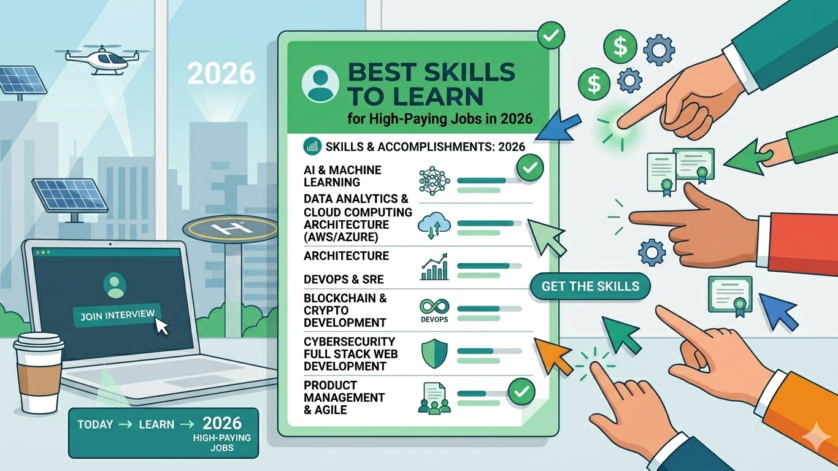
Introduction to Future Career Skills
The global job market is changing faster than ever before. Technological innovation, digital transformation, automation, and evolving business models are reshaping industries across the world. As companies adapt to these changes, employers are searching for professionals who possess modern, high-demand skills that can help organizations grow and remain competitive.
By 2026, career success will depend heavily on an individual’s ability to learn new skills, adapt to changing work environments, and stay updated with industry trends. Traditional qualifications alone are no longer enough to guarantee long-term career growth. Employers now value practical abilities, technical expertise, communication skills, and adaptability more than ever before.
Professionals who continuously improve their knowledge and stay aligned with market demands will have stronger job opportunities and greater career stability. Developing future-ready skills is becoming essential for individuals who want to succeed in a rapidly evolving professional landscape.
Why In-Demand Skills Matter in Modern Careers
In-demand skills increase employability and help candidates stand out in competitive job markets. Companies are actively searching for employees who can contribute immediately and adapt quickly to workplace changes.
Learning valuable skills offers several advantages:
- Better job opportunities
- Higher salary potential
- Improved career growth
- Increased job security
- Greater professional confidence
As industries continue evolving, workers who fail to upgrade their abilities may struggle to remain competitive. This is why continuous learning and skill development are becoming essential for long-term career success.
Technology Skills That Will Dominate in 2026
Technology continues to influence nearly every industry, making technical knowledge highly valuable for future professionals. Even non-technical careers increasingly require digital understanding and familiarity with modern tools.
Data Analysis and Data Management
Organizations generate massive amounts of data daily. Businesses rely on data analysis to make smarter decisions, identify trends, and improve performance.
Professionals with data analysis skills can:
- Interpret business information
- Create reports and dashboards
- Identify patterns and opportunities
- Support strategic planning
Knowledge of tools such as Excel, SQL, Power BI, and Tableau can significantly improve career opportunities.
Programming and Coding Skills
Coding is becoming an increasingly valuable skill across multiple industries. Learning programming languages helps professionals automate tasks, build applications, and solve technical problems.
Popular programming languages include:
- Python
- JavaScript
- Java
- C++
- PHP
Coding knowledge is beneficial not only for software developers but also for professionals in finance, marketing, engineering, and data science.
Cybersecurity Skills
As businesses move online, cybersecurity threats continue to rise. Companies require experts who can protect systems, networks, and sensitive data from cyber attacks.
Cybersecurity professionals are responsible for:
- Preventing data breaches
- Securing digital infrastructure
- Monitoring threats
- Managing security systems
Cybersecurity is expected to remain one of the fastest-growing career fields in the coming years.
Artificial Intelligence and Automation
Artificial intelligence is transforming industries worldwide. Businesses now use AI for automation, customer service, analytics, and operational efficiency.
Professionals with AI-related skills can work in areas such as:
- Machine learning
- Automation systems
- AI development
- Predictive analytics
Understanding how artificial intelligence works will become highly valuable across many sectors.
Communication Skills in the Digital Era
Strong communication skills remain essential despite growing automation and technology. Employers highly value professionals who can express ideas clearly and work effectively with others.
Verbal Communication
Speaking confidently and professionally during meetings, presentations, and discussions is extremely important in modern workplaces.
Good verbal communication helps employees:
- Build professional relationships
- Present ideas effectively
- Resolve workplace conflicts
- Improve teamwork
Written Communication
Emails, reports, proposals, and digital messaging require strong writing skills. Clear written communication reduces misunderstandings and improves workplace efficiency.
Professionals should focus on:
- Proper grammar
- Professional tone
- Clear structure
- Concise messaging
Non-Verbal Communication
Body language, facial expressions, posture, and eye contact all influence workplace interactions. Positive non-verbal communication helps build trust and confidence.
Remote Work Skills for Future Professionals
Remote and hybrid work models are becoming increasingly common. Employers now expect workers to manage responsibilities independently while collaborating digitally.
Self-Motivation
Remote employees must stay productive without constant supervision. Self-discipline and focus are critical for maintaining performance.
Time Management
Managing schedules effectively helps employees complete tasks efficiently and meet deadlines consistently.
Important time management practices include:
- Prioritizing tasks
- Avoiding distractions
- Setting daily goals
- Organizing workloads
Digital Collaboration Skills
Modern workplaces rely heavily on online collaboration platforms such as:
- Zoom
- Microsoft Teams
- Slack
- Google Workspace
Understanding how to communicate and collaborate digitally is essential for remote work success.
Best Technical Certifications for Career Growth
Technical certifications can significantly improve employability and professional credibility. Certifications demonstrate practical knowledge and commitment to continuous learning.
Project Management Certifications
Project management certifications help professionals develop leadership and organizational skills.
Popular certifications include:
- PMP (Project Management Professional)
- Certified ScrumMaster
- PRINCE2
These certifications are highly valued across industries.
Cloud Computing Certifications
Cloud technology continues to grow rapidly, increasing demand for cloud professionals.
Popular cloud certifications include:
- AWS Certified Solutions Architect
- Microsoft Azure Certifications
- Google Cloud Certifications
Cloud computing skills are now essential for many IT and technology careers.
Data Science Certifications
Data science professionals are increasingly needed for business intelligence and analytics.
Popular areas include:
- Data visualization
- Machine learning
- Statistical analysis
- Big data management
Certifications in these fields can improve career opportunities significantly.
Soft Skills That Employers Value Most
Technical skills alone are not enough for career success. Employers also prioritize soft skills that improve teamwork, leadership, and workplace relationships.
Adaptability
Industries change rapidly, making adaptability one of the most valuable skills for future professionals. Employees who can quickly adjust to new systems and challenges are highly respected.
Critical Thinking
Critical thinking helps professionals analyze problems, evaluate information, and make smart decisions.
Strong critical thinkers can:
- Solve complex problems
- Improve business processes
- Make informed decisions
- Handle workplace challenges effectively
Emotional Intelligence
Emotional intelligence refers to understanding and managing emotions effectively.
Employees with strong emotional intelligence often:
- Communicate better
- Handle pressure calmly
- Build stronger relationships
- Work effectively in teams
The Importance of Continuous Learning
Continuous learning is becoming necessary in today’s rapidly changing professional world. Professionals who regularly improve their knowledge remain more competitive and adaptable.
Online Learning Platforms
Many professionals now improve their skills through online learning websites such as:
- Coursera
- Udemy
- LinkedIn Learning
- edX
These platforms offer flexible learning opportunities across various subjects.
Workshops and Professional Training
Attending workshops and training programs allows individuals to gain practical experience and industry insights.
Networking and Mentorship
Building professional relationships and learning from experienced mentors can provide valuable career guidance and opportunities.
Understanding Industry Trends and Future Skill Demands
Industry trends strongly influence which skills become valuable in the job market. Professionals who understand these trends can prepare more effectively for future careers.
Technological Advancements
Automation, artificial intelligence, and digital systems are reshaping business operations across industries.
Workforce Changes
Modern workplaces increasingly value flexibility, innovation, and collaboration.
Economic Shifts
Economic conditions can influence hiring patterns and create demand for different skill sets.
Staying informed about market trends helps professionals make smarter career decisions and identify future opportunities.
How to Prepare for Future Career Success
Preparing for future career growth requires proactive effort and consistent learning.
Important steps include:
- Learning modern digital skills
- Improving communication abilities
- Developing technical expertise
- Building strong professional networks
- Staying updated with industry trends
- Earning certifications
- Practicing adaptability and problem-solving
Individuals who focus on personal and professional development will have greater opportunities in the evolving job market.
Final Thoughts on In-Demand Skills for 2026
The future job market will continue changing as technology and industries evolve. Professionals who invest in learning modern skills and adapting to new workplace demands will be better positioned for long-term success.
Both technical and soft skills will play important roles in future careers. Employers are increasingly searching for individuals who combine digital expertise with strong communication, adaptability, leadership, and problem-solving abilities.
Continuous learning, practical experience, and professional development are no longer optional — they are essential for career growth in the modern world. By staying informed, developing valuable skills, and embracing change, individuals can build successful and rewarding careers well beyond 2026.