
Introduction to Careers in Technology
The technology sector has become one of the fastest-growing and most influential industries in the modern world. From businesses and healthcare systems to education and entertainment, technology plays a critical role in shaping how organizations operate and how people interact with digital services. As industries continue to embrace digital transformation, the demand for skilled technology professionals continues to rise globally.
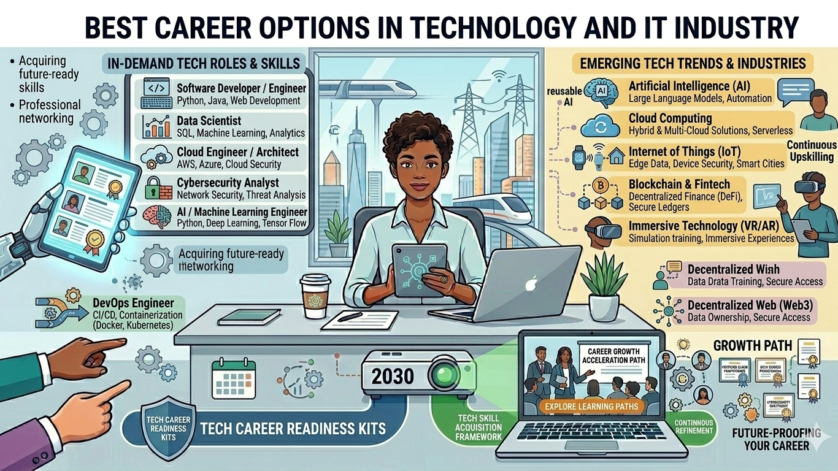
Technology careers offer diverse opportunities for individuals with different interests and skill sets. Whether someone enjoys programming, analyzing data, solving technical issues, or developing innovative solutions, the technology field provides numerous career paths with excellent growth potential. Positions such as software developers, cybersecurity specialists, data analysts, IT support professionals, and AI experts are now among the most sought-after jobs in the global workforce.
One of the major reasons behind the popularity of technology careers is the continuous advancement of digital tools and systems. Emerging technologies such as artificial intelligence, cloud computing, blockchain, automation, and machine learning are transforming industries and creating entirely new job opportunities. Companies are actively investing in digital innovation, increasing the need for professionals who can design, manage, and secure modern technology systems.
Additionally, technology careers often offer attractive salaries, remote work flexibility, strong job security, and long-term career advancement opportunities. Professionals in this field frequently enjoy access to global job markets and flexible working environments that allow them to collaborate with teams worldwide.
As the technology landscape evolves rapidly, individuals pursuing careers in this sector must remain adaptable and committed to continuous learning. Keeping up with industry trends, certifications, and technical skills is essential for long-term success. Overall, the technology industry presents exciting and rewarding career opportunities for those looking to contribute to the future of innovation and digital transformation.
Software Developer: Building the Digital Future
Software developers are responsible for designing, developing, testing, and maintaining software applications and systems. Their work powers websites, mobile applications, operating systems, and business software used daily by millions of people worldwide.
A software developer’s responsibilities often include writing code, debugging programs, improving system performance, and collaborating with designers, analysts, and project managers. They work with programming languages such as Python, Java, JavaScript, C++, and PHP to create functional and efficient software solutions.
The software development process generally follows several stages, including planning, design, coding, testing, deployment, and maintenance. Developers use frameworks and tools like React, Angular, Node.js, and Git to streamline the development process and ensure software quality.
To pursue a career in software development, individuals typically require a degree in computer science, software engineering, or a related field. However, practical experience, coding bootcamps, and personal projects can also help candidates enter the field successfully.
Key skills for software developers include:
- Problem-solving abilities
- Programming proficiency
- Logical thinking
- Team collaboration
- Adaptability to new technologies
Software development remains one of the highest-paying and most in-demand technology careers, with excellent opportunities for career growth and remote work.
Cybersecurity Specialist: Protecting Digital Systems
Cybersecurity specialists are responsible for safeguarding computer systems, networks, and sensitive data from cyber threats and attacks. As cybercrime continues to grow globally, organizations increasingly rely on cybersecurity professionals to maintain digital security and protect confidential information.
The responsibilities of cybersecurity specialists include monitoring systems for security breaches, conducting risk assessments, implementing security measures, and responding to cyber incidents. They use tools such as firewalls, intrusion detection systems, encryption software, and vulnerability scanners to secure digital infrastructure.
Professionals in this field require strong knowledge of:
- Network security
- Ethical hacking
- Risk management
- Security protocols
- Threat analysis
Certifications such as Certified Ethical Hacker (CEH), CompTIA Security+, and CISSP can significantly improve career opportunities in cybersecurity.
Cybersecurity professionals are in high demand across industries including finance, healthcare, government, education, and e-commerce. The increasing reliance on digital systems ensures continued growth and strong salary potential in this career path.
IT Support Specialist: Keeping Technology Running Smoothly
IT support specialists play a vital role in helping organizations maintain their technology systems and resolve technical issues efficiently. They provide assistance to employees and customers experiencing software, hardware, or network-related problems.
Common responsibilities include:
- Troubleshooting technical issues
- Installing and configuring software
- Maintaining computer systems
- Assisting users with technical support
- Monitoring system performance
Strong communication and customer service skills are essential in IT support roles, as professionals frequently interact with users who may not have technical expertise. Patience, problem-solving abilities, and adaptability are highly valued traits in this profession.
IT support positions often serve as entry points into the technology industry and can lead to advanced careers in networking, system administration, cybersecurity, or cloud computing.
AI Specialist: Innovating with Artificial Intelligence
Artificial intelligence specialists develop intelligent systems that can learn, analyze data, and automate tasks. AI has become one of the most transformative technologies in modern industries, influencing sectors such as healthcare, finance, transportation, and customer service.
AI specialists work on:
- Machine learning models
- Natural language processing systems
- Robotics
- Predictive analytics
- Computer vision applications
Professionals in this field typically require advanced knowledge of mathematics, programming, statistics, and data science. Popular programming languages used in AI include Python and R, along with frameworks such as TensorFlow and PyTorch.
The rapid adoption of AI technologies has created high demand for AI specialists, making this one of the most lucrative and future-focused careers in technology.
Data Analyst: Turning Data into Valuable Insights
Data analysts help organizations make informed decisions by collecting, organizing, and analyzing large sets of data. Their work enables businesses to identify trends, improve performance, and develop effective strategies.
Responsibilities often include:
- Data collection and cleaning
- Statistical analysis
- Data visualization
- Reporting findings
- Supporting business decision-making
Data analysts commonly use tools such as:
- Microsoft Excel
- SQL
- Tableau
- Power BI
- Python
Strong analytical thinking, attention to detail, and communication skills are essential for success in this field. As organizations increasingly rely on data-driven decision-making, data analysts continue to enjoy excellent career prospects and competitive salaries.
Skills and Qualifications Needed for Technology Careers
Success in technology careers requires a combination of technical expertise and soft skills. While technical knowledge forms the foundation of most technology roles, communication, teamwork, and problem-solving abilities are equally important.
Important technical skills include:
- Programming languages
- Cloud computing
- Database management
- Networking
- Cybersecurity fundamentals
- Data analysis
Essential soft skills include:
- Communication
- Critical thinking
- Adaptability
- Collaboration
- Time management
Continuous learning is particularly important in the technology industry, as tools and technologies evolve rapidly. Certifications, online courses, internships, and practical projects can help professionals remain competitive in the job market.
Future Trends in Technology Careers
The future of technology careers looks highly promising as organizations continue to invest in digital transformation. Emerging technologies such as artificial intelligence, automation, blockchain, and cloud computing are expected to create millions of new job opportunities worldwide.
Remote work opportunities are also expanding within the technology sector, allowing professionals to collaborate with companies globally. Hybrid work models and flexible schedules have become increasingly common, improving work-life balance for many employees.
At the same time, professionals must remain adaptable to industry changes. Automation may replace certain repetitive tasks, but it will also create demand for advanced technical and creative problem-solving skills.
Technology careers will continue to evolve, offering exciting opportunities for individuals who are willing to learn, innovate, and adapt to changing industry demands.
Conclusion
Careers in technology provide some of the most dynamic, rewarding, and future-oriented opportunities available today. With growing demand across industries, technology professionals enjoy strong job security, attractive salaries, and opportunities for continuous career growth.
Whether pursuing software development, cybersecurity, artificial intelligence, IT support, or data analysis, individuals entering the technology sector can contribute to shaping the future of digital innovation. By developing technical expertise, strengthening soft skills, and staying informed about emerging trends, aspiring professionals can build successful and fulfilling careers in this rapidly expanding industry.